CIVIC DESK SA INVESTIGATIVE SERIES | PART ONE
The expansion of lithium mining near Umzumbe has placed economic development, environmental protection and the future of surrounding communities under the spotlight. As residents raise concerns and Parliament pursues oversight, questions remain about the long-term impact of mining on the people who call this area home.
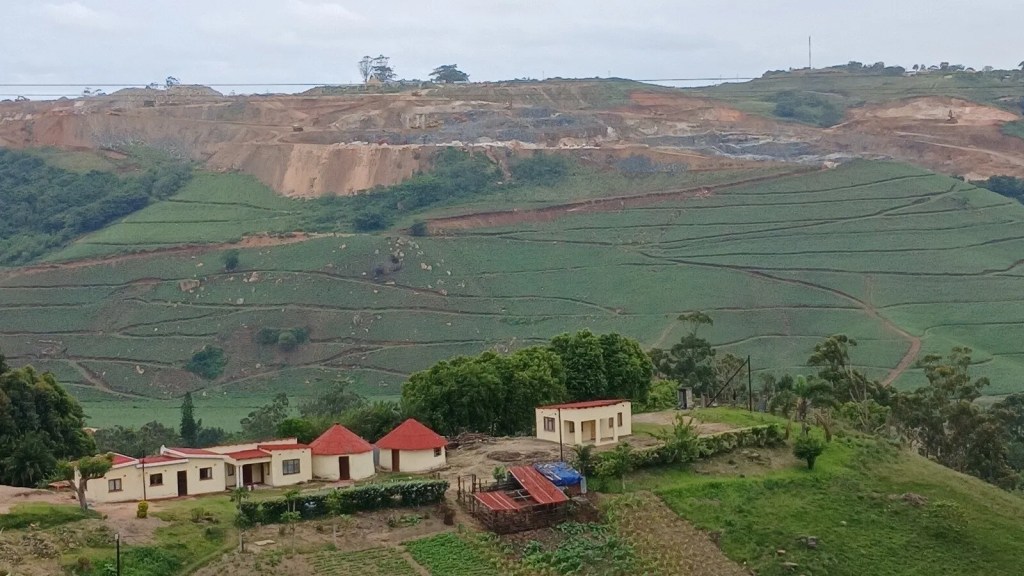
UMZUMBE, KwaZulu-Natal – The hills and rural communities of Umzumbe, on KwaZulu-Natal’s South Coast, are increasingly finding themselves at the centre of South Africa’s growing interest in lithium, a mineral regarded as important to the global transition towards cleaner energy.
But alongside the economic opportunities associated with lithium mining, questions are being raised about the impact of mining operations on surrounding communities, their homes, livelihoods, environment and cultural heritage.
At the centre of the debate is the Highbury open-cast lithium mine, operated by SA Lithium near Magog village in the Umzumbe area, within the Ray Nkonyeni Local Municipality.
The mine has become the subject of community grievances, parliamentary scrutiny and objections to a proposed expansion that could significantly increase its physical footprint.
Why lithium matters
Lithium is a critical mineral used in rechargeable batteries, including those powering electric vehicles, mobile phones and energy storage systems.
As demand for battery technology grows internationally, South Africa’s lithium resources have attracted increasing interest from mining companies.
For communities around Umzumbe, however, the question is not only about the mineral’s value in international markets. It is also about what mining means for people living close to extraction activities and whether the benefits of the industry will translate into sustainable local development.
Community concerns bring Parliament into the picture
Residents around Magog and neighbouring areas have raised concerns about the impact of mining operations.
These include allegations of structural damage to homes associated with blasting, dust and noise pollution, inadequate consultation, environmental risks and concerns about the treatment and relocation of ancestral graves.
The grievances were taken to the National Council of Provinces through a petition submitted by Umzumbe resident Michael Kholiswa Sithole on behalf of affected community members.
In September 2025, the Select Committee on Public Petitions and Executive Undertakings conducted an oversight visit to the area to engage with residents and the mining company.
The committee subsequently adopted a report in December 2025 recommending stronger oversight, improved community engagement and measures to address the concerns raised.
Among its recommendations was the establishment of a Resettlement Monitoring and Evaluation Committee to assist affected households and promote transparent processes around relocation, compensation and the restoration of livelihoods.
It also called for a multidisciplinary oversight structure involving traditional leadership, community representatives, SA Lithium and relevant government departments.
The committee further recommended enhanced monitoring of environmental, health and safety issues and requested progress reports from the relevant departments and the company.
Parliament returned to Magog in April 2026 for a follow-up oversight engagement to assess progress in implementing the recommendations.
Expansion plans raise further questions
While concerns about existing mining operations remain under discussion, SA Lithium has also pursued plans to expand the Highbury mine.
A report published by the Mail & Guardian in May 2026 indicated that the proposed expansion would increase the open pit from approximately 40 hectares to 150 hectares and the waste-rock dump from 56 hectares to about 180 hectares.
A separate environmental assessment report cited by Daily Maverick estimated that between 142 and 153 households, representing approximately 800 people, could be affected by proposed relocation requirements within the mine’s buffer zone.
These figures describe the proposed expansion and its potential impact. They should not be interpreted as confirmation that all the households have been relocated or that the expansion has received final approval.
The expansion has drawn objections from environmental justice organisations and community representatives, who have questioned the adequacy of environmental assessments, public participation and the potential impact on local water systems and biodiversity.
The mining company responds
SA Lithium has rejected allegations that its operations and expansion application are unlawful or that it has failed to meet its regulatory obligations.
In comments reported by the Mail & Guardian in May 2026, company director Ian Harebottle said the company’s processes were legitimate and compliant with applicable legal requirements.
He said the company had invested billions of rand in the Highbury project, created more than 1,000 direct and indirect jobs and contributed more than R100 million monthly to the local economy.
The company also maintained that the environmental approvals required for its current phase of operations were in place and that the necessary specialist studies had been conducted.
These positions form an important part of the debate and must be considered alongside the concerns raised by residents and environmental organisations.
What happens next?
The dispute now extends beyond the immediate relationship between the mine and surrounding communities.
It raises questions about the responsibilities of government departments in monitoring mining operations, the effectiveness of public participation processes and whether affected households will receive adequate protection if expansion proceeds.
The proposed expansion also places the spotlight on the balance between attracting investment in critical minerals and protecting communities, agricultural livelihoods, water resources and the environment.
For Umzumbe residents, these are not simply questions about the future of the global energy industry. They concern their homes, land, families and the future of their communities.
Civic Desk SA will continue examining the Highbury lithium mine, the proposed expansion, the community’s grievances, the company’s response and the role of government in ensuring accountability.
This is the first instalment of a Civic Desk SA investigative series examining lithium mining and its implications for communities in Umzumbe and the wider KwaZulu-Natal South Coast.


Leave a Reply